
Table of Contents
- Why Temporary Fence Rental Matters for Commercial Projects
- Construction Site Fence Panels: Types and Materials
- Temporary Fence Rental Cost: What Drives Pricing
- Temporary Fence with Privacy Screen: When and Why
- Temporary Fence Rental Duration: Planning Your Timeline
- Site Security, Compliance, and Safety Considerations
- How to Calculate Fence Quantity and Layout for Your Project
- Getting Your Temporary Fence Rental Quote and Moving Forward
- Frequently Asked Questions
Last Updated: October 11, 2026
Why Temporary Fence Rental Matters for Commercial Projects
A temporary fence rental secures your construction site, protects your workers, and keeps the public safe. For commercial projects, it’s not optional, it’s essential infrastructure that determines whether your timeline stays on track or derails into compliance issues.
The stakes are real. A construction site without proper perimeter fencing creates liability exposure, invites unauthorized access, and signals poor project management to clients and regulators alike. Site Services USA helps commercial teams across the country avoid these pitfalls by providing reliable, flexible fencing solutions tailored to project timelines and budget constraints.
Temporary fencing serves multiple purposes depending on your project type. Construction sites need containment and security. Events require crowd control and pedestrian management. Industrial projects demand durable barriers that withstand weather and heavy equipment. Choosing the right temporary fence rental solution depends on understanding what your specific project actually requires, and that’s where most teams stumble.
Construction Site Fence Panels: Types and Materials
Fence panels come in two primary categories: chain-link and steel barricades. Each addresses different security and visibility needs, and the choice affects both cost and functionality across your project duration.
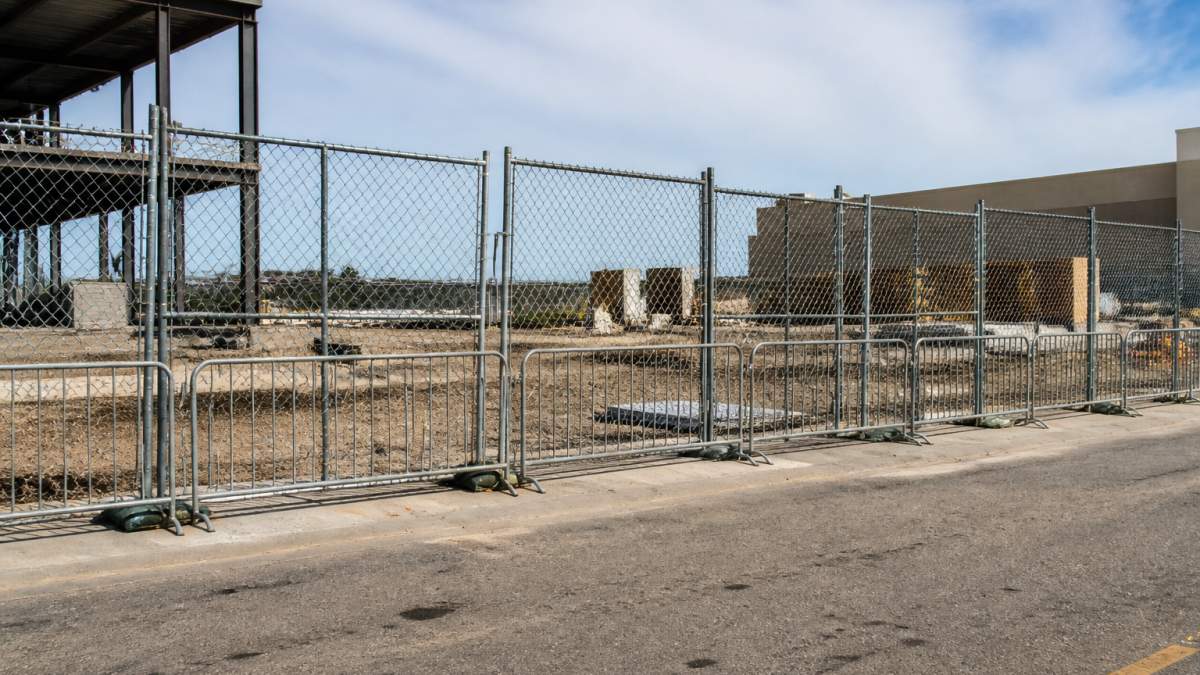
Chain-Link Panel Fencing
Chain-link panels are the workhorse of temporary fencing. They’re transparent, which means site managers can monitor activity inside the perimeter without removing barriers. This visibility matters when you need to prevent theft or unauthorized access while maintaining sightlines to equipment and materials.
Chain-link panels typically stand 6 feet tall, though heights up to 8 feet are available for higher-security applications. The material is galvanized steel, which resists rust and extends the lifespan of rental equipment. Panels connect with horizontal rails and vertical posts, creating a sturdy mesh that won’t collapse under wind or accidental impact.
The real advantage of chain-link is flexibility. Panels install quickly, reconfigure easily if your site layout changes, and remove without leaving permanent damage. For projects lasting weeks to months, this adaptability keeps your costs predictable.
Steel and Barricade Options
Steel barricades and solid panels block sightlines entirely. Use these when you need privacy, wind protection, or maximum security. Solid panels prevent people from seeing into the site, which protects proprietary work and reduces distractions for your crew.
Steel panels are heavier than chain-link and require more careful handling during installation and removal. They’re ideal for retail remodels, where you want customers to see a professional, finished appearance rather than an active construction zone. They also work for sensitive projects where you need to shield equipment or materials from public view.
Barricade fencing, portable, standalone barriers, suits temporary access control and crowd management. These are lighter, quicker to deploy, and perfect for events or emergency situations where you need barriers in place within hours.
Temporary Fence Rental Cost: What Drives Pricing
Temporary fence rental pricing depends on five core factors: panel quantity, rental duration, delivery distance, panel type, and installation complexity. Understanding these drivers helps you anticipate costs and avoid surprise invoices.
Factors That Affect Your Quote
Panel quantity is the primary cost driver. A small retail remodel might need 200 linear feet of fencing; a large construction site could require 2,000 feet or more. The more panels you need, the higher your total rental cost.
Rental duration matters significantly. A one-week emergency rental costs more per day than a three-month project rental. Providers price short-term rentals higher because they can’t redeploy equipment as quickly.
Delivery and pickup logistics add real costs. Rural or remote sites require longer drive times, which increases service fees. Urban locations with easy access cost less to service.
Panel type affects pricing. Chain-link panels cost less than solid steel panels because they’re lighter and faster to install. Privacy screens and wind screens add another tier of pricing because they require additional hardware and installation labor.
Installation complexity rounds out the equation. A flat, accessible site with straightforward perimeter fencing costs less than a site with slopes, obstacles, or gates that require custom configuration. We factor these variables into every quote to ensure transparency and accuracy.
What to Expect in a Rental Quote
A complete rental quote includes panel rental, delivery, installation, pickup, and any add-ons like gates or signage. Request quotes from multiple providers to compare total costs, not just per-panel rates. A lower panel price with higher delivery fees may cost more overall than a higher panel price with bundled logistics.
Ask whether your quote includes damage waivers and what happens if a panel gets damaged during your project. Clarify pickup timing, some providers charge extra for expedited removal. Confirm whether the quote covers weather-related maintenance or if you’re responsible for repairs during the rental period.
The best quotes break down each cost component so you understand where your money goes. Avoid providers who bundle everything into a single ambiguous number, that’s where hidden fees hide.
Temporary Fence with Privacy Screen: When and Why
A privacy screen attaches to chain-link or barricade panels, blocking sightlines completely. Privacy screens serve three main purposes: aesthetics, security, and wind protection.
Retail projects almost always need privacy screens. Customers don’t want to see an active construction zone while they’re shopping. A clean, branded privacy screen maintains curb appeal and signals professionalism. The screen hides equipment, materials, and active work, creating a finished appearance.
Security-sensitive projects benefit from privacy screens too. If you’re storing valuable equipment, materials, or proprietary work, blocking visibility prevents theft and reduces the temptation of unauthorized access. Industrial and utility projects often use privacy screens for this reason.
Wind protection is underrated but critical in exposed locations. A privacy screen reduces wind load on panels, which means less stress on posts and anchoring systems.
Privacy screens cost more than bare panels, but the investment protects your project reputation and equipment security. For most commercial projects lasting more than a few weeks, the added cost is worth the benefits.
Temporary Fence Rental Duration: Planning Your Timeline
How long you rent fencing directly affects your total cost and your ability to adapt if timelines shift. Plan your rental period realistically, accounting for setup, active construction, and removal time.
Most commercial projects rent fencing for 4 to 12 weeks. Construction sites typically need fencing from the day demolition or excavation begins through final cleanup. Retail remodels might fence off work areas for 6 to 8 weeks.
The key is communicating your actual timeline to your rental provider. If you estimate three months but run four, you’ll face additional rental charges. If you estimate four months but finish in two, you’ll have paid for unused fencing.
Weather and seasonal factors matter too. Winter projects in northern regions may need longer rental periods because weather delays work. Summer events might compress timelines because weather is more predictable. Build buffer time into your estimates, it’s cheaper to rent fencing for an extra week than to rush through critical safety steps.
Site Security, Compliance, and Safety Considerations
Temporary fencing isn’t just about containment. It’s a compliance tool that keeps your project within legal boundaries and protects workers and the public from hazards.
OSHA and Local Code Requirements
The Occupational Safety and Health Administration (OSHA) requires construction sites to maintain secured perimeters when working near public areas or when hazards exist. Temporary fencing satisfies this requirement when properly installed and maintained. OSHA construction standards for site safety specify that barriers must be sturdy enough to prevent unauthorized entry and protect the public from active hazards.
Local building codes add additional requirements. Some jurisdictions mandate minimum fence heights, gate configurations, or signage. Before you order fencing, check with your local building department or review your municipality’s construction site safety codes to confirm compliance requirements.
Permits often require proof of adequate fencing before work begins. Your rental provider should be familiar with local code requirements and can advise whether your chosen fencing configuration meets standards. This prevents costly delays or citations mid-project.
Crowd Control and Access Management
Events and retail projects need fencing that controls pedestrian flow and prevents unauthorized access to restricted areas. Barricade fencing and gates allow you to direct traffic, create queues, and manage entry points.
For events, temporary fencing creates defined pathways and prevents crowd spillover into dangerous areas. For retail remodels, fencing keeps customers away from active work zones and protects them from falling debris or equipment hazards.
Gates in your fencing system control access. A locked gate prevents unauthorized entry after hours. Multiple gates allow you to manage traffic flow during peak times. We include gate hardware in most temporary fence rental packages, so you have control over site access from day one.
How to Calculate Fence Quantity and Layout for Your Project
Calculating the right amount of fencing requires accurate site measurements and a clear understanding of what you’re fencing.
Start by measuring your perimeter. Walk the entire project boundary with a measuring tape or use satellite imagery to estimate distances. For irregularly shaped sites, break the perimeter into sections and add them together.
Next, account for gates. Each gate requires additional panels and hardware. A typical gate opening needs 3 to 4 panels of space. If you need two gates (one for entry, one for emergency exit), add 6 to 8 panels to your total count.
Consider sight lines and security. If you need privacy screens, calculate separately, screens cover the same linear footage as panels but cost more. If you need partial fencing (just one side of a property), measure only that section.
Finally, add 10 to 15 percent buffer for installation adjustments and unexpected site conditions. Slopes, obstacles, and utility lines often require extra panels or modified layouts.
Getting Your Temporary Fence Rental Quote and Moving Forward
The final step is connecting with a rental provider who understands commercial projects and delivers reliable service. A good provider asks detailed questions about your site, timeline, and specific needs before quoting.
When you contact us for a temporary fence rental quote, have these details ready: your site address, project start and end dates, approximate perimeter length, panel type preference (chain-link or steel), whether you need privacy screens or gates, and any special access requirements.
Request a site visit if possible. Your provider should assess ground conditions, identify obstacles, and confirm that your fencing plan is actually feasible. This prevents installation surprises and ensures your temporary fence rental stays on schedule.
Compare quotes from multiple providers, but prioritize reliability and experience over the lowest price. A provider who delivers on time, handles damage responsibly, and responds quickly to problems is worth the investment.
Temporary fencing is infrastructure that protects your project, your workers, and your reputation.
Frequently Asked Questions
How much does it cost to rent a temporary construction fence?
Temporary fence rental cost depends on panel quantity, site dimensions, rental duration, delivery distance, and whether you add privacy screens or gates. Pricing also varies based on panel type (chain-link vs. steel) and local market rates. Request a quote from your rental provider with your project specifics, delivery charges, setup fees, and damage responsibility terms should all be itemized so you understand the full cost before committing.
What are the OSHA requirements for temporary fencing during construction?
OSHA requires construction sites to maintain secure perimeters to prevent unauthorized entry and protect the public. Temporary fencing must be sturdy, properly installed, and meet height requirements based on your project type and hazards. Gates must be lockable, and fencing must prevent pedestrian access to dangerous areas. Local building codes may impose additional requirements, so verify regulations with your municipality before installation to avoid compliance issues.
How many temporary fence panels does a commercial project need?
Calculate panel quantity by measuring your site perimeter in feet, then divide by the panel width (typically 6 to 10 feet per panel). Account for gates, corners, and overlaps. A 200-foot perimeter might need 25-35 panels depending on panel size and gate placement. Sketch your site layout and consult your rental provider’s planning guide to confirm the exact number and account for terrain or obstacles that affect installation.
How long can you rent temporary fencing for a commercial project?
Temporary fence rental duration is flexible and ranges from days to months depending on your project timeline. Short-term rentals work for events or emergency site access, while construction projects often rent for weeks or months. Longer rental periods may offer better daily rates. Confirm your exact rental period upfront, including setup and removal dates, and clarify any charges if you need to extend or shorten the rental mid-project.