
Last Updated: November 4, 2026
Quick Summary
Timely dumpster pickup matters in 2026 because a missed collection stalls crews, triggers overage, overfill and late fees, and creates safety hazards from overflowing debris. Scheduling pickups against phase milestones, right-sizing containers, and sorting debris keep each haul on time and protect your timeline and budget.
- Confirm pickup dates against your phase schedule, not your calendar, and build in a buffer before demo or framing days.
- Undersizing a container to save on rental is the mistake that costs the most later.
- OSHA’s general housekeeping rule requires work areas to be kept clean and orderly with accumulated waste removed regularly.
- Call same-day emergency service when overflow blocks site access, a phase change demands a swap, or an inspection is imminent.
- Keep containers clear of overhead lines, off soft ground, and within reach of the truck’s approach path.
Table of Contents
- Why a Late Dumpster Pickup Costs More Than You Think
- Construction Waste Management Best Practices That Keep Pickups on Schedule
- OSHA Dumpster Safety Requirements Every Site Manager Should Know
- How to Avoid Dumpster Overflow Before It Happens
- When to Call Emergency Dumpster Pickup Services
- 2026 Waste Rules and the Case for Proactive Waste Reduction
- Request a Pickup Schedule That Fits Your Project
- Frequently Asked Questions
Why a Late Dumpster Pickup Costs More Than You Think
A missed dumpster pickup is rarely just a scheduling annoyance. It stalls crews, triggers fees, and can shut down an active job site. Understanding why timely dumpster pickup matters in 2026 starts with the real cost of a late haul, and this guide from Site Services USA breaks down what’s at stake and how to stay ahead of it.
The domino effect is immediate. When a container sits full for an extra day, debris piles up beside it, trades slow down, and your next delivery window slips. According to OSHA’s guidance on workplace housekeeping, keeping work areas free of accumulated debris is a core safety obligation, not a courtesy. A full bin that isn’t swapped out puts that obligation at risk.
The fee side is just as concrete. Haulers commonly charge for overage, overfill, and late swaps, and those charges can stack on a multi-week project. Our fee-avoidance checklist and debris-weight estimator show how to prevent overage, overfill, and late charges. Building a steady pickup rhythm helps keep containers turning over on schedule.
Schedule Delays and the Domino Effect
One late pickup cascades. The next container can’t be dropped until the full one is removed, so your debris pile grows, your crew improvises, and the following week’s schedule compresses. A common mistake is treating pickup as a set-and-forget line item instead of a recurring milestone tied to your project phases.
The fix is boring but effective: confirm pickup dates against your phase schedule, not your calendar, and build in a buffer before demo or framing days when volume spikes. For a deeper playbook on avoiding these gaps, read our guide on how to prevent missed dumpster pickups.
Health, Safety, and Overflowing Bins
Overflowing bins create real hazards. Loose debris blows across the site, blocking walkways and creating trip and struck-by risks. Standing waste attracts pests, and in warm months that means vector control problems that can shut down an inspection.
A missed collection is a safety event waiting to happen, not just a logistics hiccup. When a container tops out, crews start stacking material beside it, and that pile is where injuries and citations begin. Watch out: letting a bin sit at capacity “just until tomorrow” is how most overflow incidents start.
Construction Waste Management Best Practices That Keep Pickups on Schedule
Construction waste management best practices are the routines that keep material flowing out as fast as it comes in. The goal is a predictable waste stream, sorted, sized, and scheduled so each container leaves full but not overflowing.
Start with separation at the source. Keep a dedicated waste stream for cardboard, scrap metal, and clean wood so recyclable material doesn’t crowd the general debris container. A short waste audit at the start of each phase tells you what’s actually filling your bins and when.
- Sort debris into labeled containers by material type
- Break down bulky items before they hit the bin
- Schedule pickups against phase milestones, not the calendar
- Assign one person to own the pickup schedule
Right-Size Your Container Before Day One
The most reliable way to avoid overflow is to start with the right container. Container size should match the project, with smaller remodels and larger demolition jobs needing different capacity. Undersizing to save on the rental is the mistake that costs the most later.
Before you commit, match container size to debris type and volume. Heavy material like concrete fills a bin by weight long before it fills by space, so weight limits matter as much as dimensions. Our 15 yard dumpster sizing guide walks through capacity, weight limits, and typical use cases so pickups stay on schedule from day one.
OSHA Dumpster Safety Requirements Every Site Manager Should Know
OSHA dumpster safety requirements center on housekeeping, container condition, and safe access. The agency’s general housekeeping rule requires work areas to be kept clean and orderly, and accumulated waste must be removed regularly, which makes a reliable pickup schedule a compliance issue.
Beyond housekeeping, containers must be in sound condition, lids should close, and bins should sit on stable ground away from traffic lanes. Never let crews climb into a container to compact debris, and keep the area around the bin clear for the haul truck. These details are where inspections are won or lost.
How to Avoid Dumpster Overflow Before It Happens
Learning how to avoid dumpster overflow comes down to three levers: capacity, sorting, and timing. Get all three right and overflow mostly disappears.
Capacity means sizing the container to your peak volume, not your average. Sorting means keeping bulky, low-density material from eating space that denser debris could use. Timing means scheduling pickups before you hit the brim, not after.
Cart and Container Placement Rules
Placement affects whether a hauler can even service your bin. Keep containers clear of overhead lines, off soft ground, and within reach of the truck’s approach path. Local municipal ordinance and HOA rules often dictate where bins can sit and for how long, so check before you place.
A blocked or mispositioned bin is one of the most common reasons for a missed collection. Leave clear access, keep the lid closed, and don’t park equipment in front of the container. For construction-specific cleanup tactics, our construction cleanup tips cover the details that keep bins from filling between hauls.
When to Call Emergency Dumpster Pickup Services
Emergency dumpster pickup services exist for the moments when a full bin can’t wait for the regular schedule. Call for same-day service when an overflow is blocking site access, when a phase change demands an immediate swap, or when an inspection is imminent and debris is piling up.
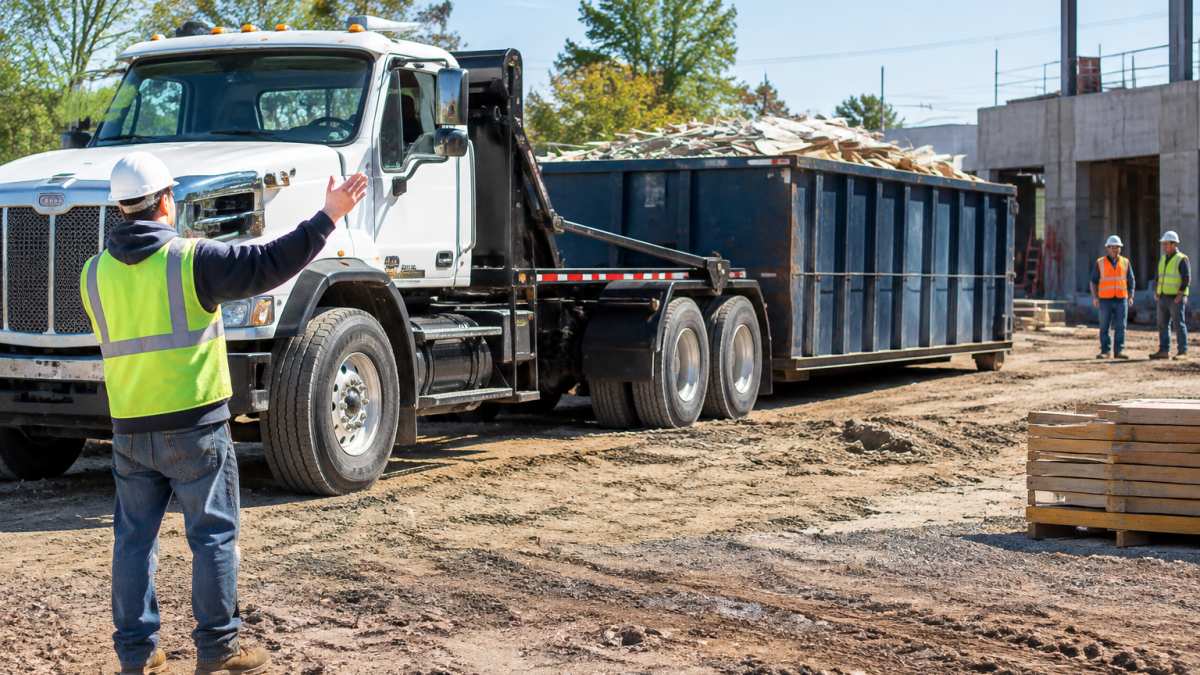
Don’t wait for the pile to reach the door. The earlier you call, the more options you have. Same-day emergency service is available, so a full bin doesn’t have to become a stalled project.
2026 Waste Rules and the Case for Proactive Waste Reduction
A missed pickup can work against waste diversion goals. When bins overflow, material that should have been recycled ends up in the general waste stream, and that hurts your landfill diversion numbers.
A missed pickup can also change what the next haul contains. Overflow material can get co-mingled, and contaminated recyclables may be rejected or reclassified as general waste, which can raise disposal costs.
There is a second cost that is easy to miss. When a bin is full and the next pickup is days away, crews improvise. Material goes into the wrong container, gets stacked on the ground, or gets hauled off-site in a pickup truck. Each of those workarounds carries its own cost, re-sorting labor, site cleanup, or an unpermitted disposal that exposes the project to a notice.
Proactive waste reduction is the cheapest compliance strategy. Plan material reuse, separate recyclables early, and keep pickup frequency matched to actual volume. A timely haul is the simplest form of sustainable practice on any site, and it is also the cheapest, because it keeps each stream clean enough to stay in its intended disposal channel.
For 2026 planning, the practical move is to build the pickup schedule around phase milestones and known volume spikes rather than a flat calendar. Confirm pickup dates before demo and framing days, keep a buffer before inspections, and review the schedule whenever the debris mix changes. That rhythm is what keeps diversion numbers intact and keeps disposal costs predictable.
Request a Pickup Schedule That Fits Your Project
A pickup schedule should follow your project, not the other way around. Tell us your phases, your debris types, and your volume, and we’ll build a haul rhythm that keeps containers turning over before they top out. That’s the core of why timely dumpster pickup matters: it protects your timeline, your crew, and your budget.
| Problem | Fix | What It Prevents |
|---|---|---|
| Undersized container | Right-size before day one | Overflow and overage fees |
| Pickup tied to calendar | Schedule against phase milestones | Missed collections |
| Mixed debris | Sort by material type | Recycling contamination |
| Blocked bin access | Clear placement and approach | Service delays |
| Waiting until full | Book before capacity | Emergency hauls |
Ready to stop chasing the truck? Learn how renting a dumpster from Site Services USA works and lock in a schedule that fits your build.
Frequently Asked Questions
What should I do if my dumpster pickup is missed?
Call your hauler the same day and give them the container number, service address, and scheduled date. Most missed collections happen because the container was blocked, overloaded, or set out late, so confirm access is clear before the reattempt. Photograph the bin and the surrounding area so you have a record. If the pickup is tied to a construction schedule, ask for a same-day or next-morning window and confirm it in writing. For repeated misses, request a written pickup schedule and escalation contact.
How do OSHA dumpster safety requirements affect where I place a container?
OSHA’s general site rules require clear access routes, stable ground, and protection from struck-by hazards. Place dumpsters away from overhead power lines, on level compacted ground, and out of the swing path of cranes and excavators. Keep lids closed and the area around the container clear of loose debris. Never let workers climb into a dumpster to compact material or retrieve items. Post the container location on your site plan so delivery drivers and crews can find it without blocking fire lanes or exits.
How can I avoid dumpster overflow on a busy job site?
Separate waste streams at the source, break down cardboard and pallets, and schedule pickups based on volume rather than a fixed calendar. Assign one crew member to check fill level daily and flag when the container passes roughly three-quarters full. Keep a second smaller container for recyclables so mixed loads do not eat capacity. If your project has a demolition or framing phase, order the next swap before the current bin fills. A quick weekly waste audit shows which materials are filling space fastest.
How do delayed dumpster pickups impact construction project timelines?
A missed pickup can stall framing, drywall, and finish work because crews have nowhere to put debris. Overflowing bins also create tripping hazards and can trigger a site inspection or stop-work order. When hauling slips, trades stack material in work areas, which slows production and can damage finished surfaces. Building a pickup buffer into the schedule and confirming service windows with your hauler before mobilization keeps the waste stream from becoming the critical path on your project.
Late pickups cost time, money, and safety margin, and none of those are worth gambling on a tight schedule. Site Services USA offers nationwide coverage, fast and reliable delivery and pickup, and same-day emergency service to keep your containers moving on time. Get started with Site Services USA and put your pickup schedule on autopilot.
