
Last Updated: November 19, 2026
Quick Summary
The best dumpster rental for residential renovations is one that offers the right container size, transparent all-in pricing, reliable delivery, and a written overage rate. Compare companies on these four factors, since the cheapest quote is rarely the lowest total cost once overage fees and missed pickups are counted.
- Ask each company for the all-in price covering hauling, tonnage allowance, overage rate, and taxes.
- A 20-yard container is the most popular residential size and usually needs about 22 feet of clear space.
- A typical renovation dumpster rental runs seven days, while larger projects often need two to four weeks.
- Place plywood boards or heavy mats under the container’s rails to protect your driveway.
- Containers placed on a public street or sidewalk usually require a permit from local public works.
Table of Contents
- How to Compare Dumpster Rental Companies for a Home Renovation
- Roll-Off Dumpster Sizes for Remodeling Projects
- Dumpster Rental Cost for Home Renovation: What Drives the Price
- How Long to Rent a Dumpster for a Renovation
- What Can Go in a Renovation Dumpster (and What Cannot)
- Driveway Protection and Placement Tips for Residential Dumpsters
- Permits, Weight Limits, and Scheduling: Avoiding Surprise Fees
- How to Compare Dumpster Rental Companies for a Home Renovation
- Request a Quote for Your Renovation Dumpster
- Frequently Asked Questions
How to Compare Dumpster Rental Companies for a Home Renovation
Finding the best dumpster rental for residential renovations comes down to four checks: container sizes offered, all-in pricing, delivery reliability, and how the company handles weight overages. This guide focuses on the questions that actually protect your timeline and your driveway.
A roll-off dumpster is an open-top waste container delivered to your property by a tilt-bed truck and hauled away when full. Renters pay a flat rate that bundles delivery, pickup, a rental period, and a set tonnage allowance.
The stakes are higher than most people expect. Renovation debris is heavy, and a container that looks half empty can be over its weight limit.
What to Check Before You Book
Ask three questions before you pay a deposit: What size container do I need, what is the total price including fees, and when will it be delivered and collected? Get answers in writing.
A common mistake is booking on the headline price alone. The real number includes the hauling fee, the tonnage allowance, any overage rate, and taxes.
Confirm the rental period too. A short-term rental covers a weekend cleanup, while a long-term rental spans a multi-week remodel. Know the daily charge if you run over.
Roll-Off Dumpster Sizes for Remodeling Projects
The right roll-off dumpster size for remodeling depends on debris volume and weight, not just floor area.
| Size | Typical Dimensions | Best For | Watch the Weight |
|---|---|---|---|
| 10 yard | 12-14 ft long, 3-4 ft high | Small bathroom, flooring, minor demo | Heavy debris fills fast |
| 15 yard | 12-16 ft long, 4-5 ft high | Kitchen remodel, deck removal | Good balance for mixed debris |
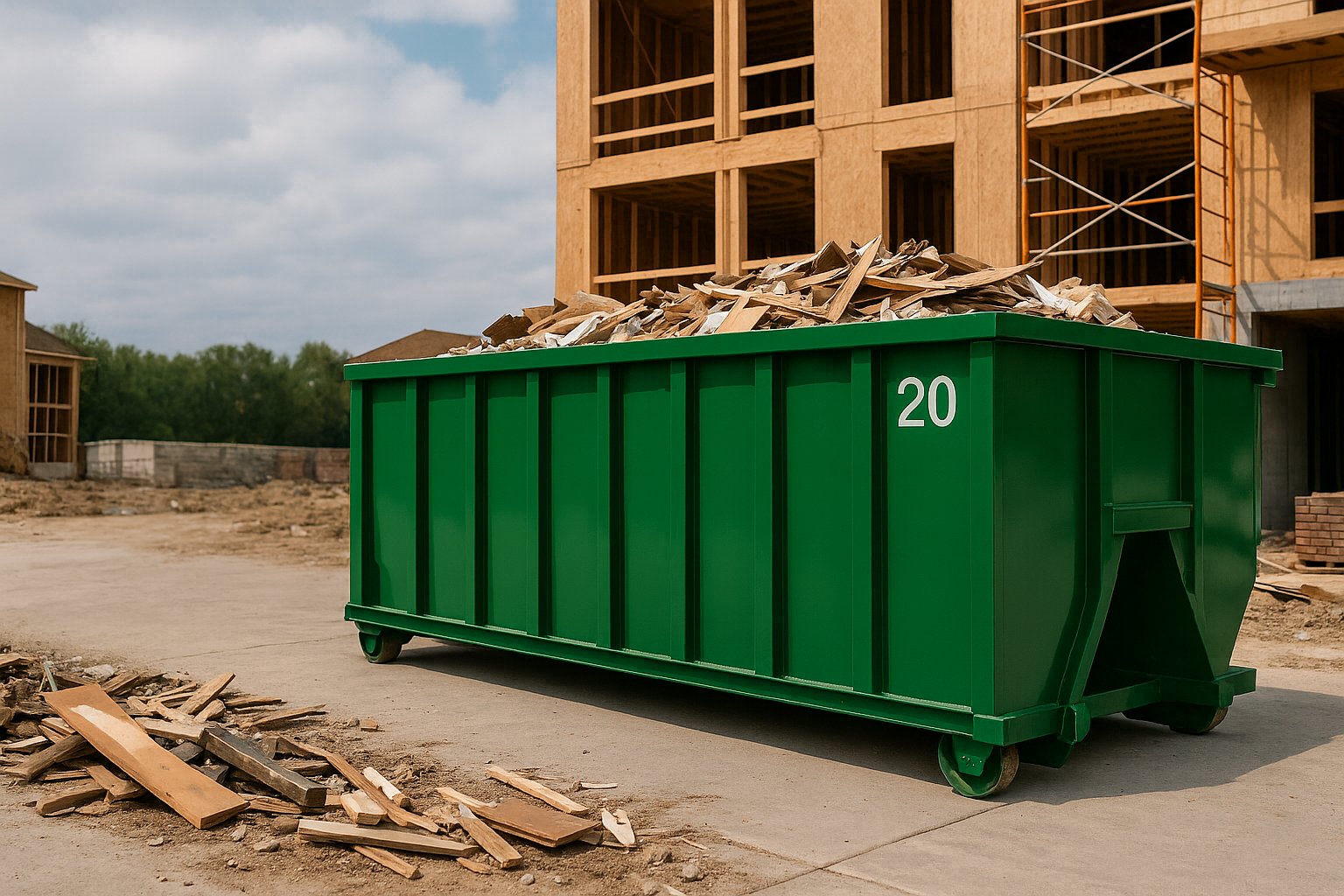
| 20 yard | 20-22 ft long, 4-5 ft high | Multi-room renovation | Most popular residential size |
| 30 yard | 20-22 ft long, 6 ft high | Whole-home remodel, additions | Check tonnage allowance |
| 40 yard | 22 ft long, 8 ft high | Large demolition, major gut jobs | Heaviest loads, tightest access |
Container dimensions matter as much as cubic yardage. A 20-yard container usually needs about 22 feet of clear space plus room for the truck to maneuver.
If you are unsure which container fits your project, our guide on what size dumpster you need matches sizes to common renovation types.
Dumpster Rental Cost for Home Renovation: What Drives the Price
Dumpster rental cost for home renovation depends on container size, debris weight, rental duration, and local disposal fees. Pricing depends on quantity, dates, and delivery; request a current quote from Site Services USA for exact figures.
The Four Line Items Behind Every Quote
Ask each company to break its quote into these parts, because two quotes for the same container can differ by hundreds of dollars once the fine print is compared:
- Haul and disposal fee. Covers the truck, the driver, and tipping fees at the landfill or transfer station. Tipping fees are set by the disposal site, not the rental company, and they move with local landfill capacity.
- Tonnage allowance. The weight included in the flat rate. A 10-yard container might include one to two tons; a 20-yard might include two to four. The allowance is usually stated in the rental agreement, not the ad.
- Overage rate. The per-ton charge for weight above the allowance. This is the number that turns a cheap quote into an expensive one, so get it in writing before you book.
How Weight Turns a Small Container Into a Big Bill
Weight, not volume, is the variable homeowners underestimate. Concrete, tile, shingles, and dirt are dense, so a small container can hit its limit long before it looks full.
A common pattern is to separate heavy inert debris from bulky light debris.
Watch out: if the driver suspects an overweight load at pickup, some companies re-weigh at a certified scale and bill the difference plus a re-weigh fee, so estimate your heaviest material before you choose a size.
Access, Placement, and Permit Costs
Access affects price. A container dropped in a driveway is simple; one that needs a long carry, a street permit, or a block of parking meters adds cost. Street permits are issued by the local public works or transportation department and typically carry a fee plus a required traffic-control plan. A container that cannot be reached by a tilt-bed truck may need a smaller truck or a different placement, both of which change the quote.
A Worked Example
For a mid-size kitchen remodel, a homeowner might book a 20-yard container with a two-ton allowance for a seven-day period. If the load comes in at three tons, the overage is one ton at the contracted per-ton rate. If the project runs long, the extension fee applies per day.
For a deeper look at the line items behind your quote, read our breakdown of dumpster rental pricing factors.
How Long to Rent a Dumpster for a Renovation
A typical renovation dumpster rental runs seven days, which covers most single-room remodels. Larger projects often need two to four weeks, and some companies offer extended or monthly terms at a lower daily rate.
Match the rental period to your debris flow, not your calendar. If demo happens in week one and finishes in week three, a single short rental leaves you stacking debris on the lawn.
Ask what happens at the end of the period. Some companies auto-charge a daily rate; others schedule a pickup and bill a flat extension. Get the rule in writing.
What Can Go in a Renovation Dumpster (and What Cannot)
Renovation dumpsters accept most construction waste: wood, drywall, flooring, cabinets, fixtures, siding, and general debris. They do not accept hazardous materials, and mixing prohibited items into a load can trigger a rejected haul and a fine. The harder question is not what is banned but where the banned items actually go, so this section pairs each common renovation material with a disposal route.
Acceptable items typically include:
- Lumber, plywood, and pallets
- Drywall and plaster
- Flooring, tile, and carpet
- Cabinets, counters, and fixtures
Prohibited Items and Where They Actually Go
Prohibited items include paint, solvents, motor oil, tires, batteries, propane tanks, asbestos, and electronics. These need a household hazardous waste facility, a retailer take-back program, or a municipal collection event. Here is how the most common renovation leftovers are handled:
- Paint and solvents. Liquid paint is banned from roll-offs. Latex paint can often be dried out with an absorbent and then placed in the regular trash if your local rules allow it; oil-based paint, solvents, and thinners go to a household hazardous waste facility or a municipal collection day.
- Electronics. Old appliances, thermostats, and lighting ballasts do not belong in a construction container. Retailer take-back programs and municipal e-waste events are the standard routes.
- Tires and propane tanks. Tires are usually accepted only at dedicated tire recyclers, and propane tanks must be emptied and taken to a retailer or hazardous waste site, never crushed into a load.
- Batteries. Lithium and lead-acid batteries are a fire risk in a container and are collected separately at hardware stores and hazardous waste sites.
Keeping the Load Clean Enough to Recycle
Waste diversion matters too. Many disposal sites sort construction waste for recycling, so keeping loads clean of contaminants helps your debris get recovered instead of landfilled.
Watch out: if a prohibited item is found in your container at the disposal site, the load can be rejected and returned to you, and the re-haul and disposal costs fall on the renter, so walk the container before the truck arrives.
Driveway Protection and Placement Tips for Residential Dumpsters
Protect your driveway before the truck arrives.
Place plywood boards or heavy mats under the container’s rails to spread the load.
Watch out: dropping a loaded container on a soft lawn or a steep slope can damage the surface or cause the container to shift.
Curbside placement is an option when a driveway is too tight, but it usually requires a permit.
Permits, Weight Limits, and Scheduling: Avoiding Surprise Fees
Most residential dumpster placements on private property need no permit, but containers placed on a public street or sidewalk usually do.
Weight limits are the other common surprise.
Scheduling matters as much as price. Confirm the delivery window, the pickup date, and the process for requesting an early haul.
For quick answers on weight limits, permits, and fees, see our dumpster rental FAQs.
How to Compare Dumpster Rental Companies for a Home Renovation
Compare dumpster rental companies on four factors: transparent pricing, container range, delivery reliability, and local knowledge. The cheapest quote is rarely the lowest total cost once overage fees and missed pickups are counted.
Use this checklist before you sign a rental agreement:
- Does the quote include delivery, pickup, taxes, and the tonnage allowance?
- What is the overage rate per ton, and how is weight verified?
- Which container sizes are available for my project?
- What is the rental period, and what does an extension cost?
Site Services USA offers nationwide site services, including dumpsters, with fast, reliable delivery and pickup and same-day emergency service.
For guidance on vetting providers, read how to choose a dumpster rental company.
Request a Quote for Your Renovation Dumpster
Renovation debris piles up faster than most homeowners expect, and a container that arrives late stalls the entire project. Getting the size, placement, and rental period right the first time keeps demo moving and avoids overage charges at the end.
Site Services USA provides dumpster rental and other site services for projects of many kinds.
Request a quote from Site Services USA to discuss your renovation schedule.
Frequently Asked Questions
What size dumpster do I need for a home renovation?
Most residential renovations fit a 10- to 20-cubic-yard roll-off dumpster. A 10-yard container handles a single bathroom or small flooring job, a 15-yard works for a kitchen remodel, and a 20-yard suits multi-room projects or light demolition. Larger whole-home gut jobs often need a 30-yard. Measure your debris volume and check the weight allowance before booking, since heavy materials like tile and shingles can hit tonnage limits before the container is full.
How much does it cost to rent a dumpster for a renovation?
Dumpster rental cost for home renovation depends on container size, rental period, delivery distance, and local disposal fees. Weekly rates are common, and some providers quote flat-rate pricing that bundles delivery, pickup, and a set tonnage allowance. Heavy debris such as concrete or roofing shingles may carry overage fees per extra ton. Request a written quote that lists every line item so you can compare offers accurately and avoid hidden charges.
How long can I keep a rental dumpster?
Standard rental periods run 7 to 14 days, and many companies let you extend by the day or week for an added fee. For a typical bathroom or kitchen remodel, a 7-day rental is often enough if you schedule delivery after demolition starts. Longer projects, like full-home renovations, may need a 30-day term or multiple container swaps. Confirm the rental agreement terms and ask about extension rates before you book.
Do I need a permit to place a dumpster at my home?
Permit requirements vary by municipality. A dumpster placed entirely on private property, such as a driveway, usually needs no permit, while one sitting on a public street or sidewalk often requires a right-of-way permit from the local public works department. Some HOAs also have placement rules. Ask your rental provider whether they handle permit paperwork, and check with your city before choosing a curbside placement.
What can you put in a renovation dumpster?
Renovation dumpsters accept most construction waste: wood, drywall, flooring, cabinets, fixtures, and packaging. Prohibited items typically include hazardous materials such as paint, solvents, asbestos, and propane tanks, plus tires, batteries, and electronics. Some providers also restrict mattresses or yard waste. Separate recyclable metals and cardboard where possible, and ask about waste diversion options to keep usable materials out of the landfill.
