
Table of Contents
- How to Plan a Large Residential Cleanout Before You Rent
- What Size Dumpster for a Home Cleanout?
- Residential Dumpster Rental Cost: What Drives the Final Invoice
- Dumpster Rental Period: How Long You Can Keep It
- What Can You Put in a Rental Dumpster?
- Placement, Access, and Permit Preparation
- Rental Dumpster vs Junk Removal for Estate and Whole-House Cleanouts
- Frequently Asked Questions
Last Updated: October 7, 2026
How to Plan a Large Residential Cleanout Before You Rent
Renting dumpsters for large residential cleanouts works best when you plan the job before you call anyone. A clear plan tells you what size container you need, how long you need it, and where it can legally sit. This guide from Site Services USA walks through the whole process, from the first walkthrough to the final pickup.
Most people guess at the size. That guess is where budgets break.
Here is what most guides get wrong: they start with the dumpster, not the debris. Do it the other way around. Measure the pile first, then rent the container that fits it.
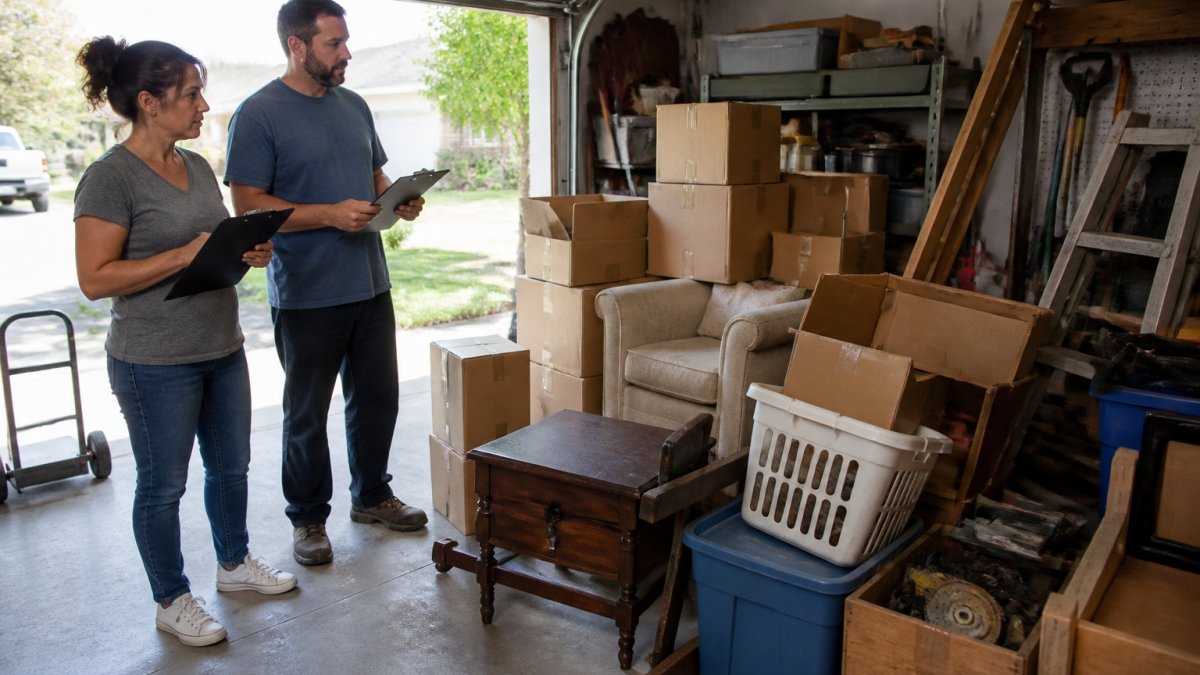
Walk Through the House and Estimate Volume Room by Room
Start in one room and work outward. Common junk sources include:
- Basement: old furniture, boxes, appliances
- Garage: tools, tires, paint cans, shelving
- Attic: stored goods, damaged items
- Whole house: everything above, plus flooring and cabinets
Picture each room as a stack of pickup-truck loads. A full garage often fills a 15-yard container on its own.
Set Your Cleanout Timeline and Book Delivery Early
Decide how many days the work will take. Then add a buffer day for loading.
Book delivery before you start hauling. Containers fill faster than people expect.
Schedule delivery for the day before you plan to load. That way the container is sitting in the driveway when your crew arrives, not blocking your first workday.
What Size Dumpster for a Home Cleanout?
The right size depends on how much you’re throwing away, not how many rooms you have. Match the container to the pile, not the room count.
| Container Size | Best For | Typical Capacity |
|---|---|---|
| 15-yard dumpster | Single-room cleanouts, small garage | About 6 pickup-truck loads |
| 20-yard dumpster | Basement or garage cleanout | About 8 pickup-truck loads |
| 30-yard dumpster | Whole-house or estate cleanout | About 12 pickup-truck loads |
| 40-yard dumpster | Large estate plus renovation debris | About 16 pickup-truck loads |
A Room-by-Room Method for Estimating Volume
Most guides list sizes and stop there. That leaves you guessing. Use this method instead: walk the house with a notepad and estimate each room as a number of pickup-truck loads (a standard pickup bed holds roughly 2 cubic yards when loaded level).
- Basement (finished, furnished): 4-6 truckloads. Old sofas, box springs, and shelving eat space fast because they don’t stack.
- Basement (storage only): 2-3 truckloads. Boxes and small items compact well.
- Garage (two-car, cluttered): 3-5 truckloads. Tires, paint cans, and long-handled tools create awkward voids.
- Attic (walk-up, stored goods): 2-4 truckloads. Bulky but usually light.
- Whole house (3-bedroom, average furnishings): 10-14 truckloads. Add 2-3 more if flooring or cabinets come out.
Add the room totals, then round up to the next container size. A 20-yard container holds about 8 truckloads, so a basement plus garage that totals 9 truckloads needs a 30-yard unit.
When to Size Up (and When Not To)
Size up when:
- Your estimate lands within one truckload of a container’s capacity.
- You’re removing bulky items that won’t nest, mattresses, sofas, doors, cabinets.
- The job includes any demolition debris, which is heavier and less compactable than household junk.
Don’t size up just because the container looks small on delivery day. A 15-yard roll-off is roughly 14 feet long, 7 feet wide, and 4 feet tall, it holds more than it appears to. If you’re truly between sizes, the cost of a second rental usually exceeds the difference between a 20-yard and a 30-yard unit, so sizing up is the safer bet.
Estimate in truckloads, add the rooms, round up to the next container size. That single habit prevents the most common cleanout mistake: a container that fills before the job is done.
Residential Dumpster Rental Cost: What Drives the Final Invoice
Residential dumpster rental cost depends on size, rental period, weight, and your location. There is no single flat price, and any quote that doesn’t break out these four factors is hiding something. Here’s how each one moves the number.
The Four Cost Drivers, Explained
- Size: A larger container costs more to deliver, haul, and dump. The jump from a 15-yard to a 20-yard unit is usually modest; the jump from 20 to 40 is not.
- Rental period: Most providers include a set window, commonly 7 to 10 days for residential roll-offs. Each additional day adds a per-day charge.
- Weight: Every rental includes a tonnage allowance. Household junk is light; construction debris is not. Exceeding the allowance triggers a per-ton overage fee.
- Location and access: Distance from the hauling facility and difficulty of delivery (long driveways, tight turns, soft ground) can add fees or rule out certain container sizes.
What a Typical Invoice Includes
Expect these line items on a residential cleanout rental:
- Base rental fee (container + standard rental period)
- Delivery charge
- Pickup charge
- Included tonnage allowance
- Fuel or environmental surcharge (varies by provider)
- Overage fee per ton above the allowance
- Extra-day fee beyond the rental period
Ask for the tonnage allowance in writing before you book. It’s the single line item most likely to turn a quoted price into a surprise.
How Overage and Extra-Day Fees Work
Overage is billed per ton, not per item. If your allowance is 2 tons and you load 3.5 tons, you pay for the extra 1.5 tons at the provider’s posted rate. Heavy materials, concrete, dirt, shingles, brick, can blow past a residential allowance in a single layer.
Extra-day fees are simpler: a flat daily rate for each day past the included window. If you’re unsure how long the job will take, ask whether the provider prorates partial days or charges full days only.
Never load heavy debris first and fill the rest with light junk. You’ll hit the weight limit before the container looks full, and overage fees apply per ton. Distribute heavy items across the floor of the container and keep the load below the top rail.
How to Get a Firm Quote
Give the provider three things: the container size you want, the dates you need it, and the delivery address. Pricing depends on quantity, dates, and delivery, so you get a clear number up front instead of a range that shifts after pickup.
If the quote comes back as a range, ask what would push it to the high end. The answer tells you which cost driver to watch.
Dumpster Rental Period: How Long You Can Keep It
Most residential rentals run for a set number of days, often a week to ten days. Extra days cost more.
For a large cleanout, book the shortest period that fits your timeline. Then extend if you fall behind.
Plan the period around your crew, not your optimism. A weekend job rarely finishes in a weekend.
What Can You Put in a Rental Dumpster?
Most household junk is fine. That includes furniture, boxes, clothing, and yard waste.
These items are usually restricted:
- Tires
- Paint and solvents
- Batteries
- Electronics
- Appliances with refrigerant
Check with your provider before you toss anything questionable. For guidance on handling household hazardous waste, see the EPA household hazardous waste guidance.
Placement, Access, and Permit Preparation
Placement decides whether the job runs smoothly. A roll-off dumpster needs a flat, firm surface and clear access for the delivery truck.
Measure the spot before delivery day. The truck needs room to back in and set the container down.
- Keep the container off soft ground
- Leave the driveway clear for your crew
- Avoid blocking sidewalks or storm drains
Many cities require a permit if the container sits on a public street. Check local rules before you book. For permit questions, contact your city’s public works office.
Rental Dumpster vs Junk Removal for Estate and Whole-House Cleanouts
A rental dumpster is cheaper for large jobs you can load yourself. Junk removal costs more per load but saves your labor.
Choose a rental dumpster when:
- The pile is large
- You have help to load it
- You can keep it for several days
Choose junk removal when the job is small or you want it gone in one visit.
For estate and whole-house cleanouts, a roll-off dumpster plus a crew is usually the faster, cheaper path. Site Services USA handles delivery and pickup so the container shows up when you need it and leaves when you’re done.
Frequently Asked Questions
What size dumpster do I need for a large home cleanout?
A 20-yard dumpster handles most single-room cleanouts and smaller garages. For a full basement, garage, or whole-house cleanout, a 30-yard container is the common choice, while a 40-yard unit fits estate cleanouts with furniture, appliances, and years of stored household items. Walk through each room and count large items before you book, then size up if you are between two options. Oversizing costs less than paying for a second haul.
How much does a residential dumpster rental cost?
Pricing depends on container size, your location, the rental period, and the weight of what you throw away. A base rate usually covers delivery, pickup, a set tonnage allowance, and a standard rental window. Overweight loads, prohibited items, and extra days add to the bill. Because rates vary by market and job, request a written quote that lists the included tonnage and any access or fuel charges before you commit.
How long can I keep a rental dumpster?
Most residential rentals include a standard period of about 7 to 14 days, and extra days are billed at a daily rate. For a large cleanout, a week is often enough if you load steadily, but estate jobs with sorting and donation runs can take longer. Ask about the daily overage rate when you book, and schedule pickup as soon as the container is full so you are not paying for idle time.
What can you put in a rental dumpster during a home cleanout?
Household junk, furniture, mattresses, carpet, clothing, and bagged trash are generally accepted. Construction debris from small renovation work is usually fine in a dedicated container. Restricted items include tires, paint, motor oil, batteries, electronics, and appliances with refrigerant, which need separate disposal. Hazardous waste like solvents, pesticides, and asbestos is never allowed. Confirm the accepted materials list with your provider before loading.
A large residential cleanout is a logistics job, not just a hauling job. The right container size, a clear timeline, and a provider who shows up on schedule make the difference between a smooth weekend and a backed-up driveway.
Site Services USA offers nationwide dumpster delivery and pickup, fast scheduling, and same-day emergency service when a project jumps ahead of plan. Request a quote and we’ll help you match the container to the job.