
Quick Summary
A dumpster swap picks up a full container and leaves an empty one during the same visit, so the job site keeps working. Scheduled pickup empties a container that stays on site on a fixed calendar, which suits steady, ongoing waste. Project work with uneven debris usually favors swaps, while recurring operations favor scheduled pickup.
- A swap responds to how full the container is, not to a set calendar.
- Scheduled pickup keeps the container in one place and empties it on agreed days.
- Same-day swaps help when a project fills a container faster than expected.
- Scheduled pickup makes sense for retail, multi-unit properties and steady daily waste.
- Compare total expected cost, including overweight and overage charges, before booking.
Table of Contents
- How Dumpster Swaps and Scheduled Pickups Differ
- Side-by-Side Comparison: Swap Service vs Scheduled Pickup
- When a Same-Day Dumpster Swap Makes Sense
- When Scheduled Pickup Is the Better Fit
- Weighing Dumpster Rental Cost for Contractors
- Building a Jobsite Waste Management Plan
- Booking the Right Service for Your Next Project
- Frequently Asked Questions
How Dumpster Swaps and Scheduled Pickups Differ
A dumpster swap picks up a full container and drops off an empty one on the same visit, so the job site keeps working. Scheduled pickup collects waste on a fixed calendar, usually weekly or several times a week, from a container that stays on site. Both solve the same problem of getting waste off the property, but they fit different kinds of projects.
For most contractors, the choice comes down to how fast the waste builds up and how predictable it is. A demolition crew filling a container in two days needs a different rhythm than a property maintenance team producing a steady stream of cardboard and general trash. Compare nationwide waste service alternatives with pricing and same-day delivery details.
What a Dumpster Swap Looks Like on Site
A swap starts with a call or request. The hauler sends a truck, lifts the full roll-off container off the ground, and sets an empty one in its place. Timing depends on access, traffic and how many containers are on the route.
Crews usually schedule swaps when a container reaches capacity, not on a set day. That flexibility is the main appeal. Job sites change quickly, and a swap responds to the actual pile of debris rather than a calendar.
How Scheduled Pickup Works for Recurring Waste
Scheduled pickup works differently. The container stays in one spot, and the hauler empties it on agreed days. Some operators offer daily service for high-volume sites, while others run weekly or twice-weekly routes.
This model suits ongoing operations like retail facilities, multi-unit properties and facilities with predictable waste streams. The cost is tied to how often the container is emptied, so pickup frequency matters a great deal.
Side-by-Side Comparison: Swap Service vs Scheduled Pickup
The table below summarizes how the two models compare for contractors. Pricing depends on quantity, dates, delivery distance and debris type, so use it as a planning guide. Visit Site Services USA’s website or request a quote for current pricing.
| Factor | Dumpster Swap | Scheduled Pickup |
|---|---|---|
| Pickup trigger | Container is full or the job needs it | Fixed calendar (daily, weekly, etc.) |
| Best for | Project-based work, demolition, renovation | Ongoing operations with steady waste |
| Speed to respond | Often same-day when available | Waits for the next scheduled route |
| Cost driver | Number of swaps and container size | Pickup frequency and container size |
| Container on site | Swapped out each visit | Stays in place |
| Planning need | Low, responds to demand | Higher, requires waste forecasting |
Pros of dumpster swaps:
- Responds to actual debris volume rather than a calendar
- Keeps project waste off the site quickly
- Suits short, intense projects with uneven waste output
Cons of dumpster swaps:
- Costs can add up if containers fill often
- Depends on the hauler’s availability on a given day
Pros of scheduled pickup:
- Predictable service that fits recurring operations
- Often easier to budget over a long contract
- Fewer unplanned service calls
Cons of scheduled pickup:
- Paying for pickups even in slower weeks
- Less responsive when waste spikes between scheduled days
When a Same-Day Dumpster Swap Makes Sense
A same-day swap makes the most sense when a project produces waste in bursts. A kitchen gut job, a roof tear-off or a site clearing can fill a container far faster than anyone expected. Waiting a week for the next scheduled route can stall the crew.
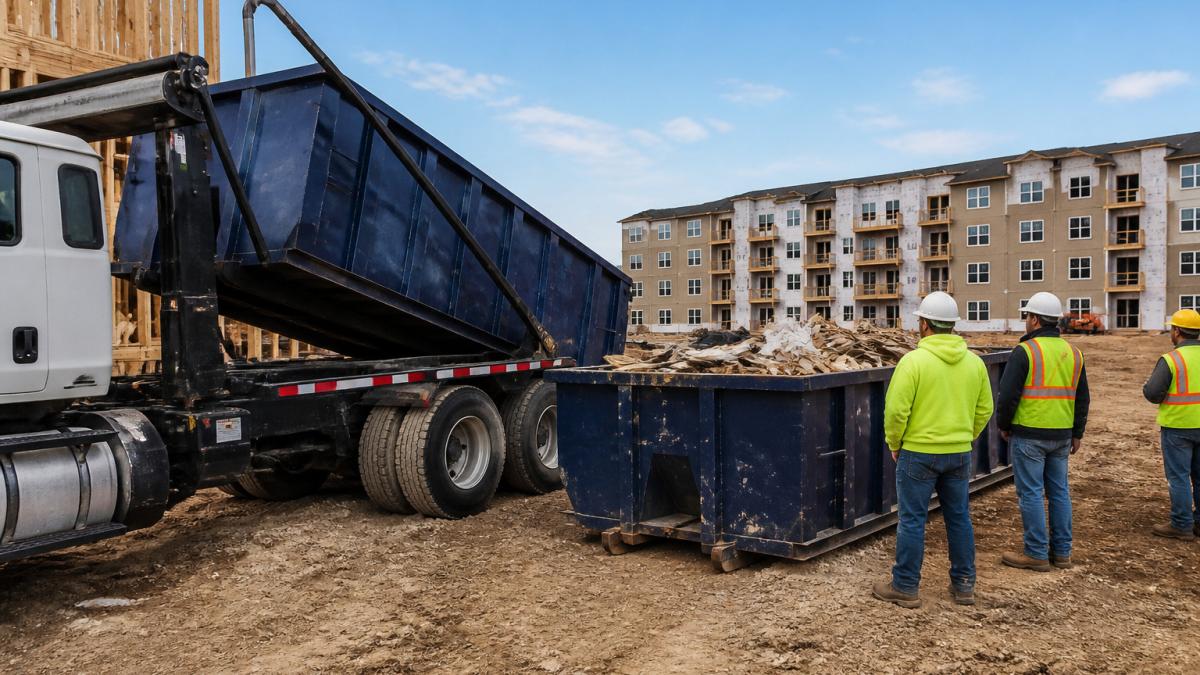
Same-day service also helps when the schedule slips. If the framing crew finishes early and the debris pile is ready, a quick swap keeps the next trade on track. Site Services USA offers same-day emergency service, which can matter when a container overflows on a tight timeline.
When Scheduled Pickup Is the Better Fit
Scheduled pickup fits when the waste is steady and the location is long-term. A retail store that remodels each quarter, a property manager with several buildings or a facility generating daily cardboard all benefit from a predictable route.
The main advantage is planning. Once the pickup days are set, crews and facility staff know when the container will be emptied.
Weighing Dumpster Rental Cost for Contractors
Cost is where many contractors get stuck. The true expense of waste service includes the container, the haul, the disposal fee and any extra charges for weight or overage. Pricing depends on quantity, dates, delivery distance and the type of debris, so Site Services USA does not publish a standard rate here. Read answers to common dumpster rental questions about rental terms, fees and what is included. Request a quote for current pricing tied to your project.
When comparing options, ask each provider what triggers extra charges. Overweight loads, prohibited materials and late pickups can change the final invoice. Frequent swaps on a large project can cost more than a single scheduled service, while scheduled pickup can waste money if the container sits half-empty between visits.
Keep a simple log for two or three weeks. Track how often each container fills and how much waste it holds. That data shows whether a swap or a scheduled route will cost less over the life of the job.
Building a Jobsite Waste Management Plan
A written plan keeps waste service from becoming a daily problem. Our guide to construction waste removal covers planning in more depth. Start by listing the waste streams you expect: demolition debris, packaging, concrete, roofing material or general trash. Note the volume and timing for each.
Then assign responsibility. One person should decide when to call for a swap, and another should watch container levels. Post the hauler’s contact information where the crew can reach it quickly. Review the plan at the end of each phase to adjust container sizes and pickup frequency.
A clear rule helps: call for service before the container overflows and stops the work.
Booking the Right Service for Your Next Project
Choose a swap for project work with uneven waste and a need for fast response. To see how Site Services USA compares with Rumpke, review the two providers side by side. Choose scheduled pickup for ongoing operations with steady, predictable output. Many projects use both, with scheduled service for the base operation and swaps for the heavy phases.
Before you book, confirm the container size, pickup terms, what counts as prohibited material, and how the provider handles missed pickups. You can follow the step-by-step process for renting a dumpster from Site Services USA. Ask for the total expected cost, not just the base rate. Then request a quote from Site Services USA to see which service fits your project schedule and budget.
Frequently Asked Questions
What is a dumpster swap service?
A dumpster swap service replaces a full roll-off container with an empty one in a single visit. The hauler drops off the empty unit, hooks the full one and hauls it to a disposal or recycling facility. Contractors use swaps to keep a jobsite clear without paying for a container to sit idle. Ask your provider whether swaps are billed per trip and whether the replacement is same-day, since timing and fees vary by provider.
How does scheduled waste pickup work for contractors?
Scheduled pickup runs on a fixed calendar, such as daily, weekly or twice monthly, and the hauler empties or exchanges the container on that cycle. It suits projects with steady, predictable debris. Contractors usually choose a container size and pickup frequency together, because frequency is a major cost lever. Confirm the schedule, cutoff times and whether extra pulls are billed separately before you sign.
What is the difference between a dumpster swap and a dumpster exchange?
In practice the terms are often used interchangeably. Both mean the hauler removes a full container and leaves an empty one. Some providers use exchange to describe a swap that is scheduled rather than called in. Ask the vendor to define each term in writing so your invoice and service expectations match.
When should a contractor schedule dumpster pickup instead of ordering a swap?
Schedule pickup when debris is generated on a regular rhythm, such as demolition phases, multi-week remodels or ongoing maintenance. Order an on-demand swap when a single large load finishes or debris volume is unpredictable. Many contractors use both, with a standing schedule for baseline waste and swaps for spikes.
